10+ Hours · West Lake · Tea Museum · Longjing Village · Tea Ceremony
Designed for tea lovers and culture enthusiasts. Depart Shanghai on an early morning bullet train. Your Hangzhou guide meets you at the station and takes you directly to West Lake for a serene boat cruise. Then dive deep into China's 5,000-year tea culture: visit the China National Tea Museum to understand tea's history from its legendary origins to global trade routes, walk through Meijiawu's terraced tea fields where Longjing has been cultivated since the Tang Dynasty, watch a master hand-roast leaves using the ten-movement technique that takes a decade to learn, and visit the Longjing Imperial Tea Garden with its Eighteen Imperial Tea Bushes celebrated since the Qing Dynasty. End the day with a stroll along Qinghefang Ancient Street before your return train. Round-trip tickets, private guide, and all entrance fees included.
Private driver meets you at your hotel, transfers to Shanghai Hongqiao Station with pre-booked bullet train tickets.
A comfortable 45-minute ride. Arrive in Hangzhou approximately 8:30 AM.
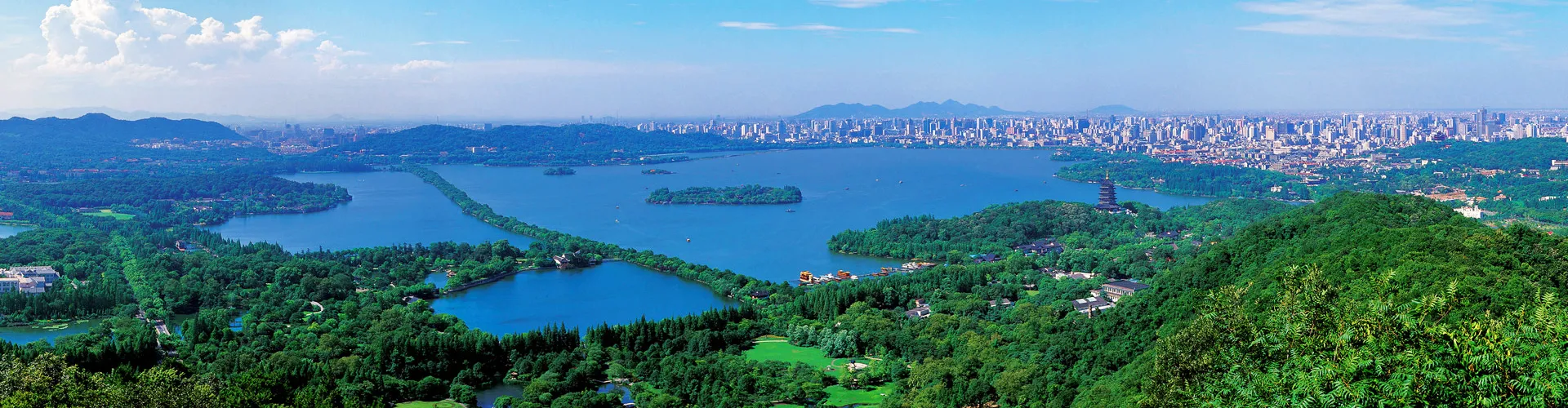
Your tea-focused guide meets you at the station. Start with a boat cruise on West Lake — the morning light, the mist, the willows. Your guide explains how tea culture and lake culture intertwine in Hangzhou's identity. The very water of West Lake is said to give Longjing tea its unique character.
The only national-level museum dedicated to tea. Six exhibition halls trace tea from its mythical origins — when Emperor Shennong discovered tea in 2737 BC — through the Tang Dynasty golden age, the Song Dynasty tea ceremony, and the global trade routes that carried tea to the world. See live silkworms, traditional tea-processing equipment, and exquisite historical tea ware.
A tea-themed lunch at a local restaurant. Dishes include Longjing Shrimp (stir-fried with tea leaves), Tea-Smoked Duck, and Eggs Steamed with Tea Leaves. Every dish tells a story of tea's role in Hangzhou cuisine.
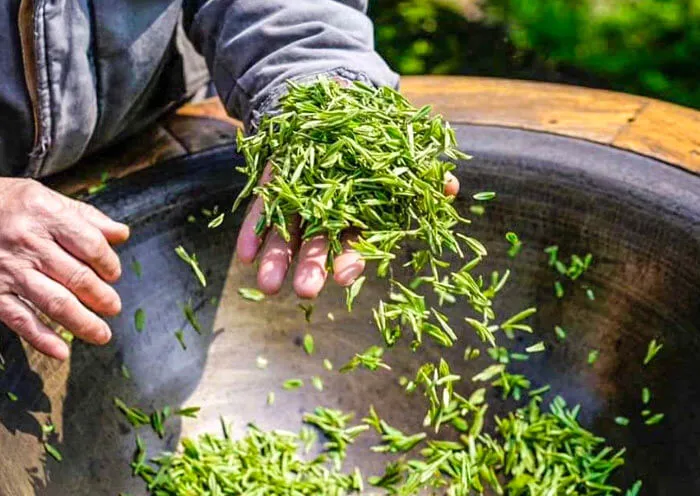
The spiritual home of Longjing tea. Walk through terraced fields climbing the hillsides — electric green in spring, deeper shades in summer. Watch a master roaster at work: bare hands moving tea leaves across a 200°C iron wok in ten precise movements — pressing, rubbing, shaking, tossing, patting, grasping, pushing, grinding, pressing, and shaping. This is the skill that gives Longjing its distinctive flat shape and chestnut aroma. Ten years to master.
Sit down for a traditional gongfu tea ceremony. Learn the proper water temperature (80°C — never boiling for green tea), the right vessel (a glass cup to watch the leaves dance), and the art of pouring. Taste multiple grades of Longjing and learn to discern quality by color (emerald), aroma (chestnut), and mouthfeel (sweet, clean finish). Understand the difference between Ming Qian and Yu Qian — and why the spring harvest commands the highest prices.
Visit the garden that houses the legendary Eighteen Imperial Tea Bushes — eighteen Longjing tea plants personally designated by Emperor Qianlong during his visit to Hangzhou in the 18th century. These bushes still produce tea today, and their leaves are among the most expensive in China. A fitting conclusion to a day immersed in tea culture.
A stroll along Hangzhou's Southern Song Dynasty street. Browse tea shops, traditional pharmacies, and silk stores. Your guide can help you purchase authentic Longjing tea to take home — knowing the difference between tourist-grade and the real thing.
Hotel pickup by your private guide and driver. Begin your day with:
• West Lake (Xihu) — stroll along the Su Causeway and Bai Causeway
• Leifeng Pagoda — panoramic views of West Lake and the city
Enjoy an authentic local lunch at a carefully selected restaurant. Your guide can recommend signature dishes and accommodate dietary preferences (vegetarian, halal, gluten-free, etc.).
Continue your exploration with:
• Lingyin Temple & Feilai Feng — ancient Buddhist temple with grottoes
• Longjing Tea Village (Meijiawu) — tea plantation visit and tea ceremony
Optional evening experience: Hefang Street & Southern Song Imperial Street — historic shopping and food street. Return to your hotel with unforgettable memories of your day.
* Timing is approximate and can be adjusted to your preferences. The itinerary is fully flexible — let us know if you'd like to modify any part of the day.
Your guide escorts you to Hangzhou East Station. Board the return bullet train. Driver meets you at Shanghai Hongqiao and drops you at your hotel.